



















THE ADJUSTMENT OF AROMATHERAPY: BEYOND STRESS RELIEF


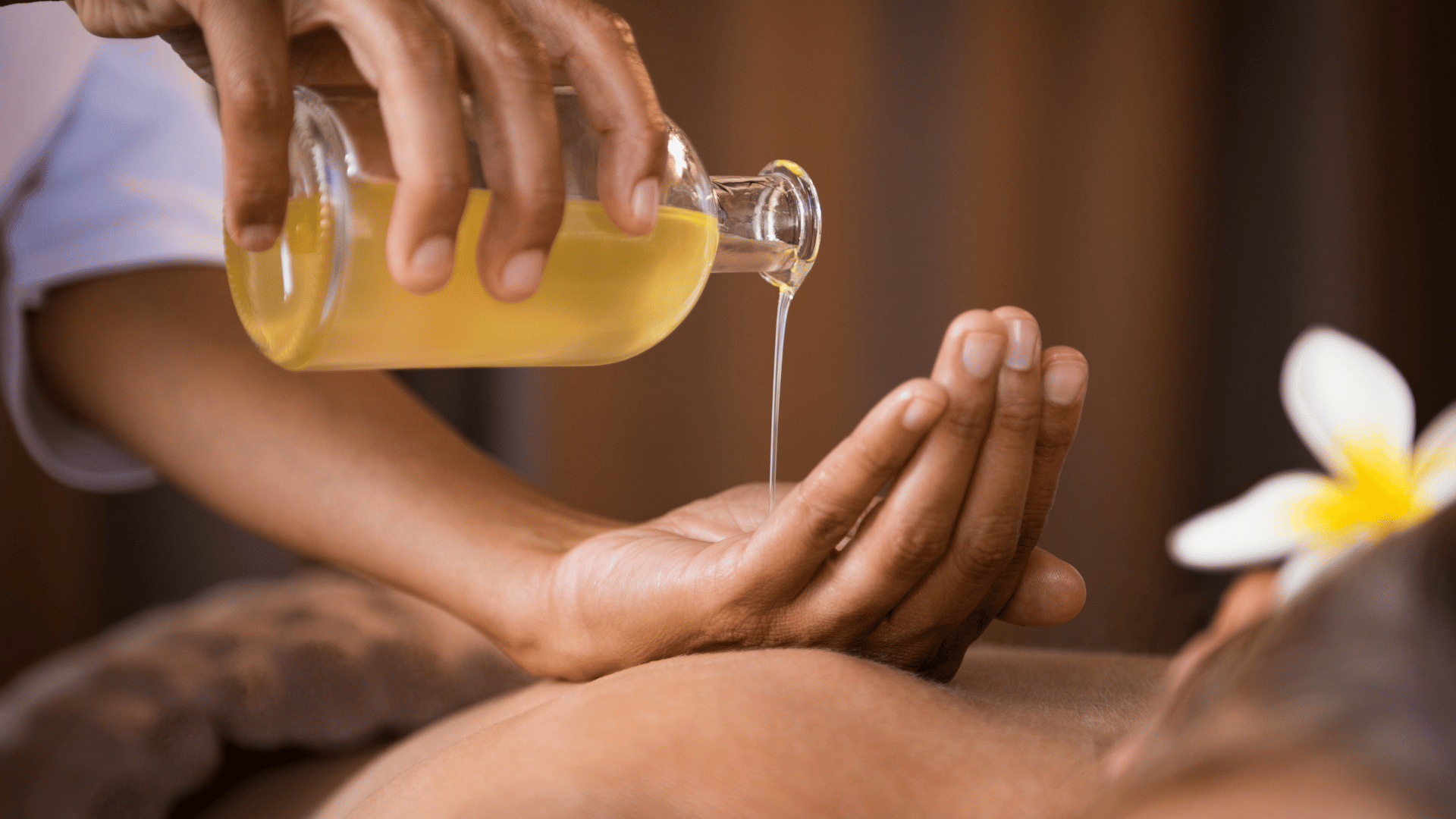
It is a common procedure in Western culture to use aromatherapy into massages in order to promote relaxation.  There are those who wrongly believe that aromatherapy consists solely of inhaling fragrant oils.  For some, aromatherapy massage is synonymous with aromatherapy (Parihar et al., 2022). However, aromatherapy is a far more complex technique that may have therapeutic uses and should only be administered by trained professionals to ensure its safe and effective use and any potential therapeutic benefits.

DEFINING ESSENTIAL OILS

The term aromatherapy was first used in 1919 by the renowned French scientist Gattefossé to describe the use of essential oils in healing a wound; yet, their use may be dated back to ancient Egypt (Parihar et al. 2022).  They are recognised to possess a range of pharmacological effects, such as those that modulate the immune system, reduce inflammation, fight cancer, and alleviate allergies (Sandner et al., 2020).  Essential oils are defined as “natural products derived from a single plant species” by Parihar et al. (2022).  Because of their high vapour pressure, they can change state from liquid to gas at room temperature or higher in an instant.  Everything in the oil, even the smallest molecules, can have an impact on their bioactivity, which can be either beneficial or harmful (Sandner et al. 2020). Their biological activity and chemical characteristics are determined by their primary components, which are usually two or three of these substances.  The makeup of a plant might also vary depending on its part. The fruit, flowers, and leaves of orange trees are all sources of essential oils, including neroli, citrus, and petit grain (Parihar et al. 2022).

The constituents of essential oils can be ingested, breathed, or applied topically.  To achieve their medicinal benefits, they may be used in a variety of ways, including inhalation (steam inhalation for sinusitis, coughs, and colds; Sharifi-Rad et al., 2017; Acimovic, 2021); bathing; massaging; applying compresses; using vaporizers and burners; and applying tonics to the skin and hair.

WHICH PARTS TO USE

According to Farrar and Farrar (2020), essential oils can be extracted from seven different parts of plants: the seeds (e.g., cardamom and black pepper), the stems, leaves, and needles (e.g., rosemary and eucalyptus), the petals and flowers (e.g., chamomile, lavender, and ylang-ylang), the rinds and fruits (e.g., bergamot and lemon), the woods and resins (e.g., sandalwood and frankincense), and finally, the grass (e.g., lemongrass and palmarosa).

SOME EXAMPLES

The benefits of eucalyptus oil include its usage in the treatment of burns, wounds, diabetes, asthma, nasal congestion, and as a tick repellent (Farrar & Farrar 2020). It is also an ingredient in several medications that alleviate congestion, coughs, colds, and pains in muscles and joints.

According to many sources (Kaufmann 2018, Borgonetti et al. 2022, de Freitas et al. 2022), ylang-ylang, scientifically known as Cananga odorata, has several medicinal properties, including reducing inflammation and blood pressure, fighting parasites, and aphrodisiac effects (Kaufmann 2018).

Many people use sandalwood, whose scientific name is Santalum album, for a variety of purposes, including but not limited to: antimicrobial, antiviral, antidepressant, anti-inflammatory, aphrodisiac, sedative, and a general tonic (Kaufmann 2018, Jain 2019, Choudhary and Chaudhary 2021).

According to many studies (Kaufmann 2018, Grover et al. 2021, Lunz et al. 2021), vetiver (Vetiveria zizanoides), also known as khus oil, has a variety of medicinal uses. It is used as an antispasmodic, anti-inflammatory, digestive stimulant, immunological booster, sedative, skin support, and nerve calming agent.

WHAT IT DOES

Two potential chemical pathways for aromatherapy are reported by Farrar and Farrar (2020) and Lin et al. (2019).  When we inhale odours, they can activate our sense of smell, which in turn can alter our heart rate, blood pressure, pulse, temperature, and blood flow. For instance, olfactory stimuli may be stimulated by massage, and when applied to the skin, it can kickstart a cascade of mental and physiological reactions that reduce stress, speed healing, and enhance communication.

APPLICATIONS IN MEDICINE

In order to determine if aromatherapy alleviates childbirth pains and anxiety, Tabatabaeichehr and Mortazavi (2020) performed a thorough investigation. Of all essential oils, lavender was the most popular, followed by rose, geranium, frankincense, and chamomile.  With a lower rate of opioid injections and a lower dose of epidural anesthetic, aromatherapy was a valuable addition to labour for women regardless of maternal group or method of labour induction.

As for sleep, research suggests that aromatherapy can help with both the quality of sleep and the frequency of awakenings (Lin et al., 2019; Tang et al., 2021). According to Lin et al. (2019), aromatherapy can help people sleep better by harmonising their emotions and lowering emotional stress through inhalation of essential oils like bergamot and lavender.

As a result of their interactions with CNS receptors and modifications to the neurotransmitter system, essential oils provide sedative and anxiolytic effects, helping with  depression and anxiety (Wang et al. 2018).  Linalool, geraniol, citronellol, and limonene are among the terpenoid alcohols found in high concentrations in these plants (Agatonovic-Kustrin et al., 2020).  According to Guo et al. (2020), it can also help people reduce anxiety before surgery.

Armstrong et al. (2019) reviewed all available qualitative research on palliative care patients’ use of alternative treatments.  Aromatherapy was found to impact people’s well-being.  In addition, they stress the need of incorporating aromatherapy into palliative care for a more complete treatment plan, even if results from effectiveness trials have been equivocal.

Regarding microbacterial resistance to antibiotics, essential oils have antioxidant and antibacterial qualities that aid in the healing of burns and the infection of malaria (Aljaafari et al. 2021).  According to Swamy et al. (2016), they are beneficial in treating antimicrobial resistance and have shown synergistic efficiency when paired with antibiotics.  Their effectiveness and interaction with antimicrobials are questionable and might be improved upon because their exact mechanism of action and chemical composition are still a mystery (Aljaafari et al. 2021).

IN CONCLUSION

Essential oils offer a wide variety of therapeutic uses due to their pharmacological properties; however, as pointed out by Sandner et al. (2020), different oils may have different bioactivity profiles according to their unique chemical composition.  They break it down into a number of variables, including temperature, light, location, plant physiology (plant age and parts), and genetic traits, which all contribute to the variation and make it hard to forecast.  In order to accurately define and make use of them, they propose a multiapproach system, as many studies provide contradictory findings. Additional research is required to explore their possible therapeutic applications, as suggested by Sugier et al. (2019) and Diniz do Nascimento et al. (2020).  This is because unique combinations have the ability to exhibit novel qualities and activities that could be utilised in the beauty industry, medicine, or pharmacy in the future.

Safe application by trained professionals using premium essential oils is necessary for the best results when using aromatherapy.  As part of a more comprehensive strategy for health, it may also be a highly useful adjunct to conventional medicine in many cases.


REFERENCES

Acimovic, Milica. (2021). Essential Oils: Inhalation Aromatherapy -A Comprehensive Review. 4. 547-557.

Agatonovic-Kustrin, S., Kustrin, E., Gegechkori, V., Morton, D.W. (2020). Anxiolytic Terpenoids and Aromatherapy for Anxiety and Depression. In: Guest, P. (eds) Reviews on New Drug Targets in Age-Related Disorders. Advances in Experimental Medicine and Biology(), vol 1260. Springer, Cham.

Aljaafari, M.N.; AlAli, A.O.; Baqais, L.; Alqubaisy, M.; AlAli, M.; Molouki, A.; Ong-Abdullah, J.; Abushelaibi, A.; Lai, K.-S.; Lim, S.-H.E. “An Overview of the Potential Therapeutic Applications of Essential Oils”. Molecules 2021, 26, 628.

Armstrong M, Flemming K, Kupeli N, Stone P, Wilkinson S, Candy B. “Aromatherapy, massage and reflexology: A systematic review and thematic synthesis of the perspectives from people with palliative care needs.” Palliative Medicine. 2019;33(7):757-769.

Borgonetti, V., López, V., Galeotti, N. “Ylang-ylang (Cananga odorata (Lam.) Hook. f. & Thomson) essential oil reduced neuropathic-pain and associated anxiety symptoms in mice”, Journal of Ethnopharmacology, Volume 294, 2022, 115362

de Freitas Junior, R.A.; Lossavaro, P.K.d.M.B.; Kassuya, C.A.L.; Paredes-Gamero, E.J.; Farias Júnior, N.C.; Souza, M.I.L.; Silva-Comar, F.M.d.S.; Cuman, R.K.N.; Silva, D.B.; Toffoli-Kadri, M.C.; Silva-Filho, S.E. Effect of Ylang-Ylang (Cananga odorata Hook. F. & Thomson) Essential Oil on Acute Inflammatory Response In Vitro and In Vivo. Molecules 2022, 27, 3666.

Diniz do Nascimento L, Moraes AAB, Costa KSD, Pereira Galúcio JM, Taube PS, Costa CML, Neves Cruz J, de Aguiar Andrade EH, Faria LJG. “Bioactive Natural Compounds and Antioxidant Activity of Essential Oils from Spice Plants: New Findings and Potential Applications”. Biomolecules. 2020 Jul 1;10(7):988.

Farrar, A., Farrar, F. “Clinical Aromatherapy”. Nursing Clinics. 55:4 (p489-504), (2020)

Grover, M., Behl, T., Bungau, S. et al. Potential therapeutic effect of Chrysopogon zizanioides (Vetiver) as an anti-inflammatory agent. Environ Sci Pollut Res 28, 15597–15606 (2021).

Guo, P., Li, P., Zhang, X., Liu, N., Wang, J., Yang, S., Yu, L., Zhang, W. “The effectiveness of aromatherapy on preoperative anxiety in adults: A systematic review and meta-analysis of randomized controlled trials”, International Journal of Nursing Studies, Volume 111, 2020, 103747,

Heffernan, S.M.; Horner, K.; De Vito, G.; Conway, G.E. The Role of Mineral and Trace Element Supplementation in Exercise and Athletic Performance: A Systematic Review. Nutrients 2019, 11, 696.

Jain, R., Nair, S. Sandalwood Oil for the Chemoprevention of Skin Cancer: Mechanistic Insights, Anti-inflammatory, and In Vivo Anticancer Potential. Curr Pharmacol Rep 5, 345–358 (2019)

Kaufmann C. “Nature’s essential oils: aromatic alchemy for well-being”. The Country Man Press, New York 2018: 151-176

Lin, P., Lee, P., Tseng, S., Lin, Y., Chen, S., Hou, W. Effects of aromatherapy on sleep quality: A systematic review and meta-analysis. Complementary Therapies in Medicine, 45: 156-166 (2019)

Lunz, K.; Stappen, I. Back to the Roots—An Overview of the Chemical Composition and Bioactivity of Selected Root-Essential Oils. Molecules 2021, 26, 3155.

Tabatabaeichehr, M., Mortazavi, H. “The Effectiveness of Aromatherapy in the Management of Labor Pain and Anxiety: A Systematic Review”. Ethiop J Health Sci. 2020;30(3):449.

Parihar S, Chattarpal, Sharma D,” To Review on Aromatherapy and Herbs List Use in Aromatherapy”, Asian Journal of Pharmaceutical Research and Development. 2022; 10(1):29-31.

Sandner, G.; Heckmann, M.; Weghuber, J. Immunomodulatory Activities of Selected Essential Oils. Biomolecules 2020, 10, 1139.

Choudhary, S. & Chaudhary, G. (2021). SANDALWOOD (SANTALUM ALBUM): ANCIENT TREE WITH SIGNIFICANT MEDICINAL BENEFITS. International Journal of Ayurveda and Pharma Research, 9(4), 90-99.

Sharifi-Rad, J.; Sureda, A.; Tenore, G.C.; Daglia, M.; Sharifi-Rad, M.; Valussi, M.; Tundis, R.; Sharifi-Rad, M.; Loizzo, M.R.; Ademiluyi, A.O.; Sharifi-Rad, R.; Ayatollahi, S.A.; Iriti, M. Biological Activities of Essential Oils: From Plant Chemoecology to Traditional Healing Systems. Molecules 2017, 22, 70.

Sugier, D.; Sugier, P.; Jakubowicz-Gil, J.; Winiarczyk, K.; Kowalski, R. Essential Oil from Arnica Montana L. Achenes: Chemical Characteristics and Anticancer Activity. Molecules 2019, 24, 4158.

Swamy, M.K.; Akhtar, M.S.; Sinniah, U.R. Antimicrobial Properties of Plant Essential Oils against Human Pathogens and Their Mode of Action: An Updated Review. Evid.-Based Complement. Altern. Med. ECAM 2016, 2016.

Tang, Y., Gong, M., Qin, X., Su, H., Wang, Z., Dong, H. “The Therapeutic Effect of Aromatherapy on Insomnia: a Meta-Analysis”, Journal of Affective Disorders, Volume 288, 2021, Pages 1-9

Wang, S.; Wang, C.; Yu, Z.; Wu, C.; Peng, D.; Liu, X.; Liu, Y.; Yang, Y.; Guo, P.; Wei, J. Agarwood Essential Oil Ameliorates Restrain Stress-Induced Anxiety and Depression by Inhibiting HPA Axis Hyperactivity. Int. J. Mol. Sci. 2018, 19, 3468.